

Hungry Again? Exploring Psychological and Biological Triggers for Appetite
Why You're Always Hungry and How To Fix It

Hunger and cravings will often drive poor adherence to a nutrition regimen. How most people organize their diet (timing) and the foods they eat (quality) largely drive cravings and unsatiable hunger.
The average American diet has episodes of starvation followed by purges of low quality, calorically dense junk food.
An estimated 15% of americans don’t regularly eat breakfast. Of those that do, how many just eat cereal? A large portion won’t even eat atleast 20g of protein for breakfast. This habit is even worse among high schoolers with reports mentioning 75% of high schoolers won’t eat a breakfast.

Hunger is strongly hormonally influenced. Skipping breakfast is not the answer when it comes to maintaining a healthy metabolism and hormone profile.
Eating breakfast may not necessarily be for everyone, but constant cycles of starvation and binging are without a doubt detrimental to your health and every system of your body (digestive, metabolic, neurological, muscular).
How We Get Hungry: Hunger Hormones
Hunger is primarily driven by two hormones: Leptin and Ghrelin.
Leptin (Satiety Hormone) Signaling hormone produced by fat cells. Elevated leptin levels signal satiety, lead to decreased appetite and increased energy expenditure.
⬇️Ghrelin & ⬆️ Leptin = You feel full
⬆️Ghrelin & ⬇️ Leptin = You feel hungry
Ghrelin (Hunger Hormone) Grrr i’m hungry (dumb mnemonic they told us in school, you’re welcome). Signaling hormone produced in the stomach. Elevated ghrelin levels signal hunger, stimulate appetite, and promote fat storage.
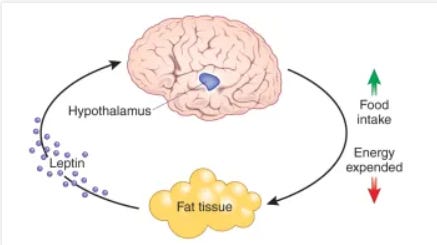
The more adipose tissue (fat) you have, the more dysfunctional your leptin and ghrelin signaling become. Humans are one of the few animals that can consistently override hunger signals which leads to a dysregulated balance of leptin, ghrelin, and decreases leptin sensitivity.
Above I mentioned how elevated leptin will increase energy expenditure. The inverse is also true, low leptin will decrease energy expenditure. This is oftentimes in part why after dieting hard for months your metabolic rate begins to decrease.
You can’t diet forever.
Leptin stimulates sympathetic nervous system activity and brown fat thermogenesis. In plain english, it increases your metabolic rate and increases the burning of fat. You need sympathetic activity to liberate fat and use it for energy (“fat burning”).
Emerging evidence shows that circulating leptin levels influence heart rate and blood pressure and may explain the high cardiovascular morbidity in obese individuals
Simonds et al. 2014
Decreased leptin levels signals a hunger/starvation threat to your hypothalamus which can lead to a decrease in thyroid hormone levels, reduced fertility, and down regulation of all systems that act to increase energy expenditure.
Interestingly enough, we know that when people lose weight they have trouble keeping it off. But here’s the problem…
Weight Loss= ⬇️ Leptin
The decrease causes a lower metabolic rate (you burn less calories), making it easier to regain your lost weight. Researchers found that increasing leptin levels caused an increased metabolic rate. Restoring leptin therefore can help to keep the weight off, another reason why you can’t diet forever.
Similar findings by Ahima and colleagues (1) showed that the drop in leptin levels during starvation is accompanied by metabolic adaptations that limit energy expenditure. Moreover, the fact that leptin replacement in starved mice corrected these metabolic changes led to the theory that although leptin itself acts as an appetite suppressor, the deficiency of it acts as a starvation signal.
Pandit et al 2016
Strategies To Manage Hunger 📋
Most of the strategies to manage hunger are pretty simple. There are of course suplements that could help to manage blood glucose or mode advanced nutrition periodization strategies that could be effective, but all of those are moot if you’re not atleast mostly adhering to the recommendations below.
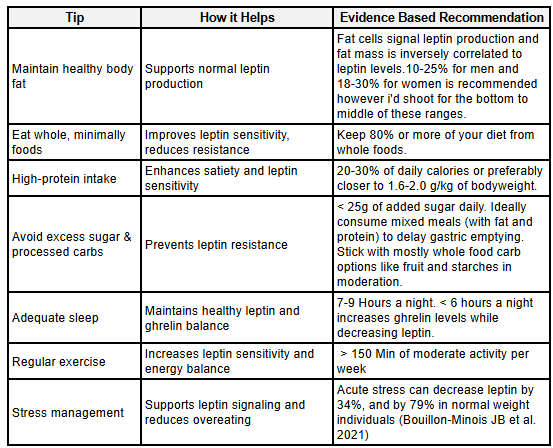
Crononutrition Basics ⌛
Meal timing is also crucial to maintain consistent hunger cues. Your circadian rhythmn regulates more than just your sleep wake cycle. If you get accustomed to eating at certain times of day, then your body will begin to cue hunger at those times.
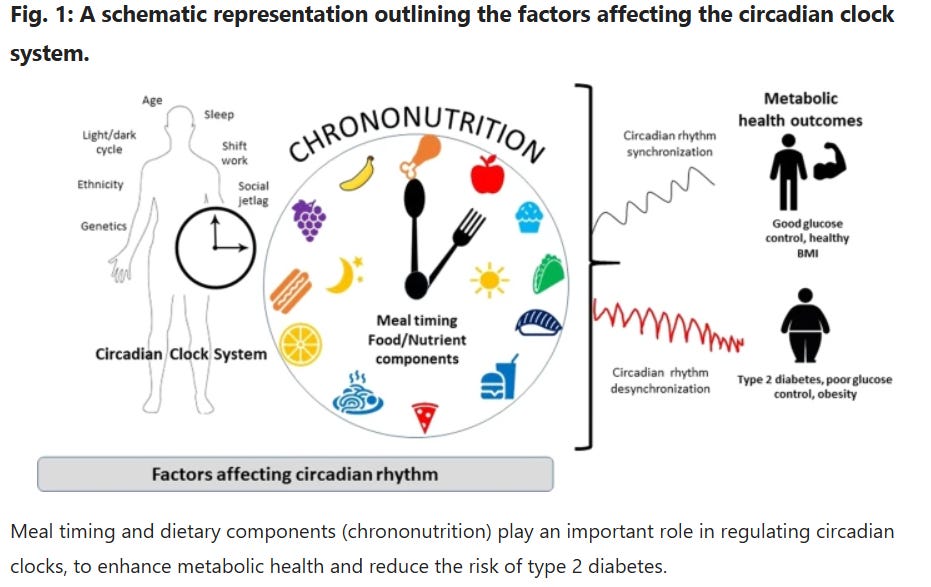
This makes hunger more predictable and less likely for you to fall off your nutrition plan if you know when to expect it. Most people however don’t have a daily meal timing strategy. Calorie intake matters most for body composition, but meal timing is key for optimizing insulin sensitivity, performance, and hormone health.
A report by Isherwood et al. was able to demonstrate that human physiology can anticipate food.
Half participants in their study received 14 hourly small meals and the other half received 2 large meals. Meals were identical and matched (calories and macronutrients controlled). After 6 days of this feeding pattern, they entered into a 37 hour long continous routine where both groups had the same meals and exposure to light (everything was matched).
The small meal group eventually began to see an elevated glucose that increased gradually while the large meal group saw drops in glucose around the time of their meals.
Late Night Eating 🌙
Eating later at night (anytime after the sun goes down) was found to negatively impact blood sugar control. Skipping breakfast is also associated with increased risk of developing metabolic disease, type 2 diabetes, and consuming more total calories.
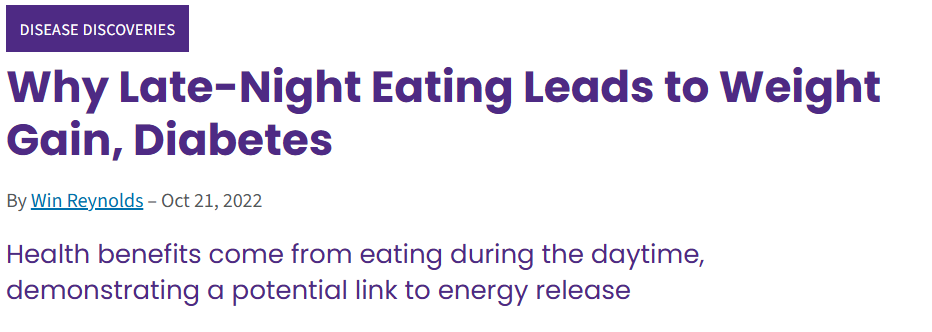
Eating most of your daily calories at dinner time was also associated with increased risk of obesity, metabolic syndrome (⬆️Waist size, ⬆️blood pressure, ⬆️Blood glucose, ⬆️Triglycerides, ⬇️HDL), and non-alcoholic fatty liver disease (Bo et al. 2014).
Carbohydrate Timing
Avoid large swings in blood sugar. Keep carbohydrtae intake moderate and minimize processed carbs and refined sugars.
Minimize night time carbs, have them primarily during the day or when you’re most active.
Even lower glycemic index foods initiate a greater post prandial glucose response at night compared to morning. This is likely due to lower insulin sensitivity at night time.
Morning carbs help reduce AM cortisol spike.
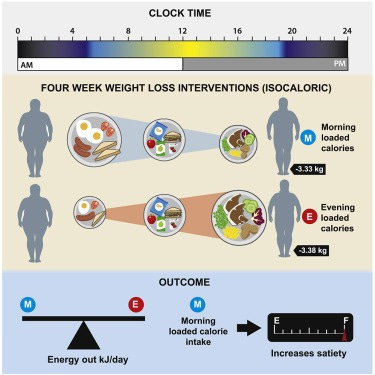
Gastric Emptying
Meal timing is often not talked about in social media fitness, they’ve labeled it as unimportant since aparently only macros matter. While macros and calories will determine what you weigh in the long term, meal timing without a doubt has a meaningful influence on your health and body composition.
We discussed above how meal timing can influence hormones, meal timing can also influence gastric emptying or how quickly food leaves the stomach. Gastric emptying can be manipulated with meal size and meal composition. The amount of meals you consume daily can influence your digestion, impact gastric emptying, and in turn modify your insulin, leptin, and ghrelin responses.
Delaying gastric emptying helps keep glucose levels stable and staves off hunger. Most processed foods will get processed by the gut faster than their non-processed counter parts. One of many issues of eating highly processed foods often.
Think about it. You usually still feel hungry after eating a protein bar vs a steak.
A steak takes more energy enzymatically and mechanically to break down and fills a larger portion of your stomach. It’s not easy to break down a steak, it’s much more simple to break down a highly processed candy bar with a bit of protein in it.
Understand Hunger
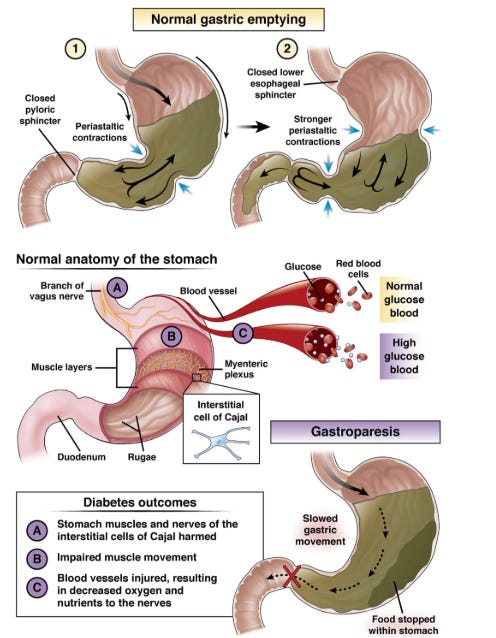
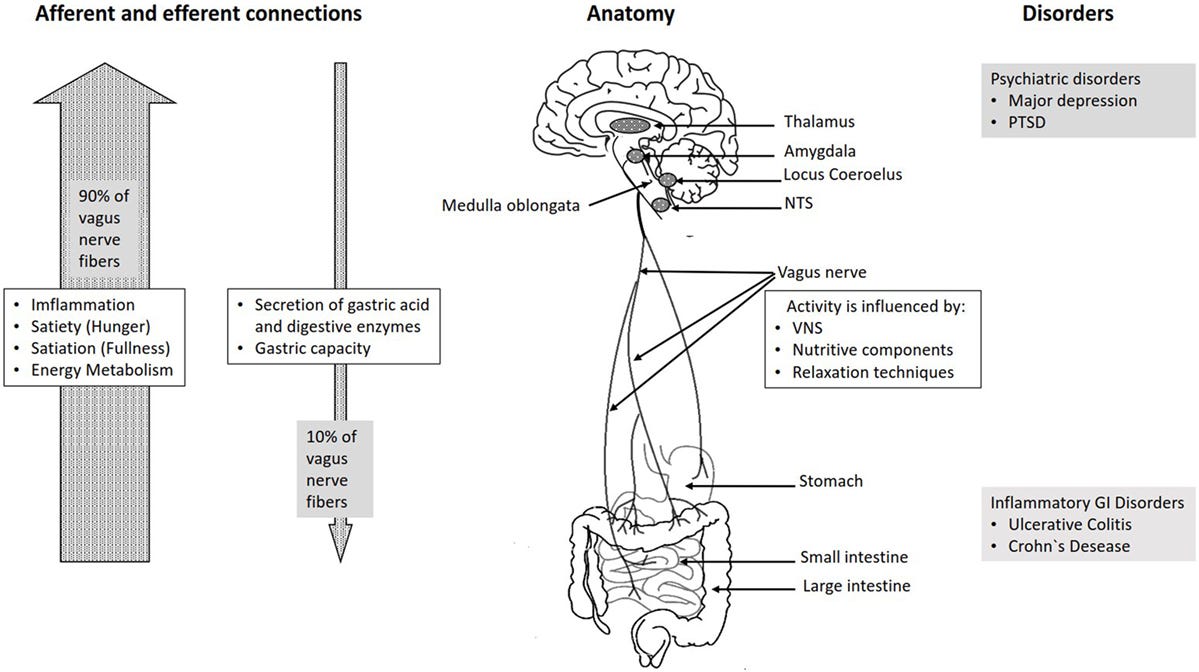
Hunger signals originate in the stomach. The vagus nerve sends signals about the fullness/emptiness of the stomach that then begins to influence ghrelin, leptin, and blood glucose. The stomach accomplishes this task through stretch receptors that provide feedback.
The more your stomach stretches, the more it will signal fullness. This is why eating like a rabbit keeps you hungry and also why filling the stomach with low calorie foods that take up large volumes (like vegetables) can enhance satiety.
Delaying Gastric Empyting
Consume protein and fat first in the meal, not carbs.
Fat and protein release CCK, GLP-1, and PYY that can slow down gastric emptying, leaving you feeling fuller.
Eat mixed meals. Try not to just eat carbs for example.
Add healthy fats to meals (olive oil, grass fed butter, avocado, fatty cheese)
Add Fiber
Soluble fiber takes in water forming a gel that slows down digestion.
Oats, beans, lentils, fruits, vegetables,chia, flaxseed
Aim for 5-10g of fiber per meal. If that’s tolerable, you can shoot for 10-20g depending on your daily fiber goal.
Apple Cider Vineger
ACV got big a few years ago, it was touted as a silver bullet. It’s not going to directly lead to weight loss like many have claimed but what it does do is lower gastric PH to help delay gastric emptying and improve glucose control as a result.
There are also gut benefits to unpasteurized ACV. The mother (yeast and bacteria) contains probiotics and can also disrupt growth of harmful bacteria like e coli.
Resistant starches
Resistant starches are formed by cooling a heated starch like a potato or rice. Resistance startches are more difficult to break down and will bypass the small intestine. They act similarly to fiber and help you feel full.
Green bananas, legumes, cooked and cooled rice, potatoes, or pasta
Water consumption
Avoid consuming too much water with meals. Some water is fine, but a lot of water will cause gastric emptying.
Eat slowly and chew your food more
It sounds simple, but it works. Chewing your food down into smaller chunks and eating slower not only leads to better digestion, but also tends to leave you more satieted.
Supps
Diet quality first. No amount of suplements will help you if your stress levels are out of whack, your training sucks, and your diet quality is abysmal. However, if you are doing those things here’s what i’d recommend.
Magnesium & Zinc (glucose control)
Take Home Messsage (TLDR)
You can train your hunger cues through proper nutrition and nutrient timing. The composition of your meals, the order you eat foods within that meal, the timing of your meals throughout the day, the toal caloric load of your meals/day, and the quality of your food all matters.
The primary focus should always be eating whole & minimally processed foods. That’s establishing diet quality. Once your quality is good, you can tailor your plan around your meal timing and meal composition. Eventually, you integrate nutrition periodization deeper to strategically structure phases like weight gain, loss, reverse dieting, or maintenance.
If this article helped you or could help someone you know please leave a like, comment, or restack. It’s appreciated and goes a long way.
Questions? Drop them below.
Want to work with me on your nutrition?
Work with me and pay $0 (covered by insurance)
Work with me and pay out of pocket, Start with a nutrition assessment
Research
Jakubowicz, D., Froy, O., Wainstein, J., & Boaz, M. (2012). Meal timing and composition influence ghrelin levels, appetite scores and weight loss maintenance in overweight and obese adults. Steroids, 77(4), 323-331.
Isherwood, C. M., van der Veen, D. R., Hassanin, H., Skene, D. J., & Johnston, J. D. (2023). Human glucose rhythms and subjective hunger anticipate meal timing. Current Biology, 33(7), 1321-1326.
Wehrens, S. M., Christou, S., Isherwood, C., Middleton, B., Gibbs, M. A., Archer, S. N., ... & Johnston, J. D. (2017). Meal timing regulates the human circadian system. Current Biology, 27(12), 1768-1775.
Ruddick-Collins, L. C., Morgan, P. J., Fyfe, C. L., Filipe, J. A., Horgan, G. W., Westerterp, K. R., ... & Johnstone, A. M. (2022). Timing of daily calorie loading affects appetite and hunger responses without changes in energy metabolism in healthy subjects with obesity. Cell metabolism, 34(10), 1472-1485.
Amin, T., & Mercer, J. G. (2016). Hunger and satiety mechanisms and their potential exploitation in the regulation of food intake. Current obesity reports, 5, 106-112.
Simonds SE, Pryor JT, Ravussin E, Greenway FL, Dileone R, Allen AM, Bassi J, Elmquist JK, Keogh JM, Henning E, Myers MG Jr, Licinio J, Brown RD, Enriori PJ, O’Rahilly S, Sternson SM, Grove KL, Spanswick DC, Farooqi IS, Cowley MA. Leptin mediates the increase in blood pressure associated with obesity. Cell 159: 1404–1416, 2014. doi:10.1016/j.cell.2014.10.058.
Bouillon-Minois JB, Trousselard M, Thivel D, Benson AC, Schmidt J, Moustafa F, Bouvier D, Dutheil F. Leptin as a Biomarker of Stress: A Systematic Review and Meta-Analysis. Nutrients. 2021 Sep 24;13(10):3350. doi: 10.3390/nu13103350. PMID: 34684349; PMCID: PMC8541372.
Bo S, Musso G, Beccuti G, Fadda M, Fedele D, Gambino R, Gentile L, Durazzo M, Ghigo E, Cassader M. Consuming more of daily caloric intake at dinner predisposes to obesity. A 6-year population-based prospective cohort study. PLoS One. 2014 Sep 24;9(9):e108467. doi: 10.1371/journal.pone.0108467. PMID: 25250617; PMCID: PMC4177396.
Henry, C.J., Kaur, B. & Quek, R.Y.C. Chrononutrition in the management of diabetes. Nutr. Diabetes 10, 6 (2020). https://doi.org/10.1038/s41387-020-0109-6