

Zone 2 Isn't Enough: Cardio Progressions For a Relentless Engine
The Truth About Zone 2 Cardio

A big trend lately in the fitness industry has been longevity. While i’m not opposed to training to live a longer and healthier life, I think much of the content surrounding longevity is omitting optimal practices in favor of “Easier” or “more attainable” ones.
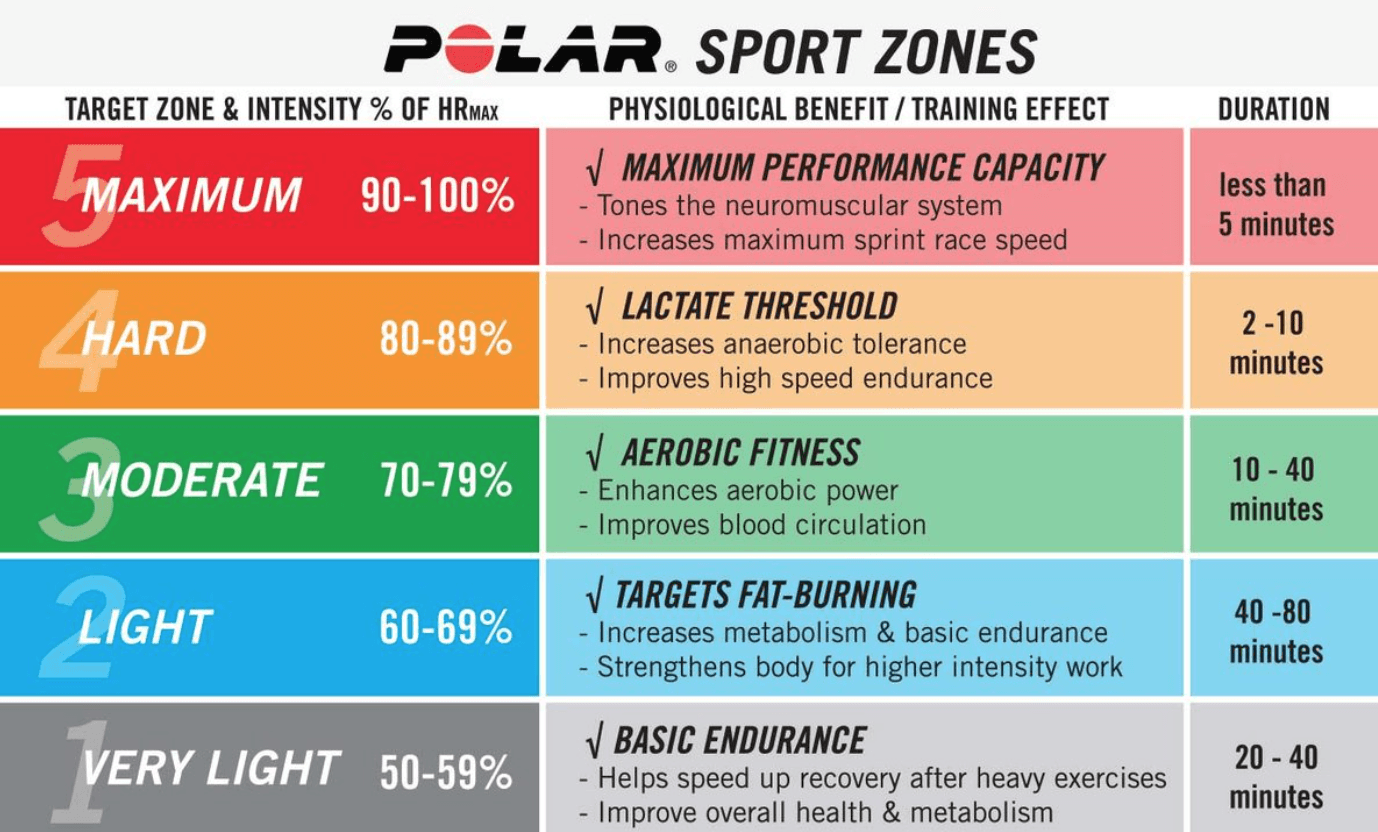
The chart above from Polar is a great visual to explain the difference between training zones. Zone 2 is going to be in the 60 to 69% range of your max heart rate (HRM). You’ll often see Zone 2 on treadmills (and the chart above) referred to as the “Fat Burning Zone”.
This is NOT because Zone 2 is the only, or even the best, way to burn fat. The lower your intensity the greater fat you will burn as a proportion. However, if I do 15 minutes of zone 2 and 15 minutes of zone 4, you will burn MORE fat in Zone 4 due to excess post-exercise oxygen consumption (EPOC).
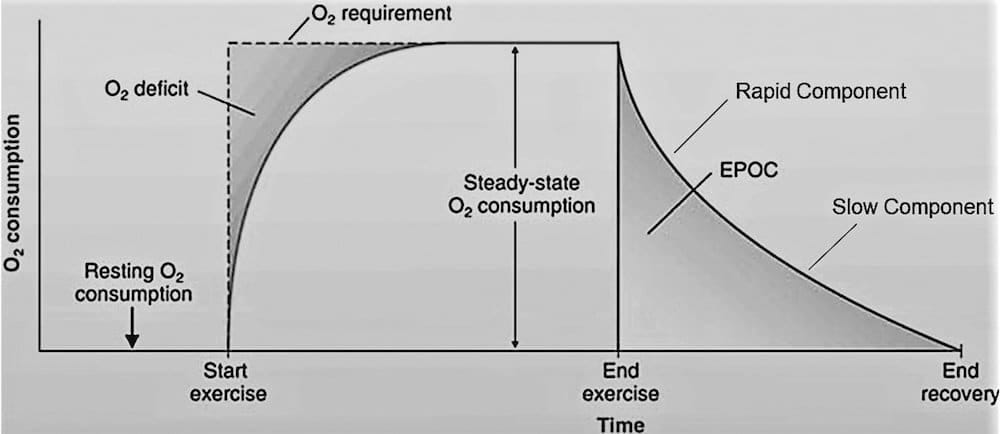
EPOC is essentially what the magazines call “after burn”. You continue to burn greater amounts of calories to return your body to homeostasis. So although you’ll burn a larger proportion of calories from fat from zone 2, it doesnt mean that A.) That’s the only way to burn fat or B.) That’s the most efficient way to burn fat.
I’ve written several articles about conditioning that go more into topics like zones and i’ll link those below.
Benefits of Zone 2 Training ❤️
Increased Mitochondrial density
You can more efficiently create energy aerobically
Improve Fat Oxidation
You become better at using fat for fuel
Improve Capillary Density
You can transport oxygen to working tissues more effectively
These benefits are awesome, but keep in mind, they are not 100% exclusive to just Zone 2. You still get the benefits above from tapping into higher zones. Arguably, you get more benefit (to a point) from training at higher intensities than at lower intensities like zone 2.
So why do people push zone 2?
Simple.
1.) Observation 👓
Zone 2 - 3 low intensity training is a significant sum (usually around 80%) of a professional endurance athletes volume. People looked at that and said ‘well great that means I should be doing more of this.’
They fail to factor in that these athletes are also doing hours of activity per week. A professional cyclist for instance will often do 25 to 35 hours of cardio per week. How much do most people do?
If you’re like most people,you probably do less than an hour of cardio per week if you’re lucky. In the case of the endurance athlete training 25 hours per week, they do 5 hours (20%) of their volume at high intensities.
The reason the cyclist/pro endurance athlete will do more zone 2 is so they can train MORE to get additional benefits without impacting their recovery as much. If you’re just a regular dude training cardio less than a couple hours of week, zone 2 is fine, but just doing zone 2 is in no way optimal for health or performance improvement.
2.) Activity Guidelines 🏃♂️
Current activity guidelines in the United States are a minimum of 150 minutes of light to moderate Activity or 75 minutes of vigorous activity per week (or a combination of the two).
People see activity and think exercise.
Wrong.
All exercise is activity but not all activity is exercise. For instance, walking your dog is activity but it is NOT exercise. Walking around during vacation is activity, it is NOT exercise (this ones for my clients).
Physical activity is any bodily movement that requires energy expenditure. This can be playing with your kids, walking, gardening, cleaning the house, etc.
Exercise is a structured and planned formed of activity that has a goal of improving or maintaining fitness.
Only 50% of American adults meet activity guidelines, that means even less than 50% actually do any substantial amount of exercise.
Last note on this, the more you do the greater the health benefit (to a point).
Getting 150 min of activity is a MINIMUM.
Guys, that's less than 30 min a day of movement. I’m not talking about burpees or exercise but activity. It’s very attainable and that’s why this is often pushed over trying to get folks to exercise.
VO2 Max Training
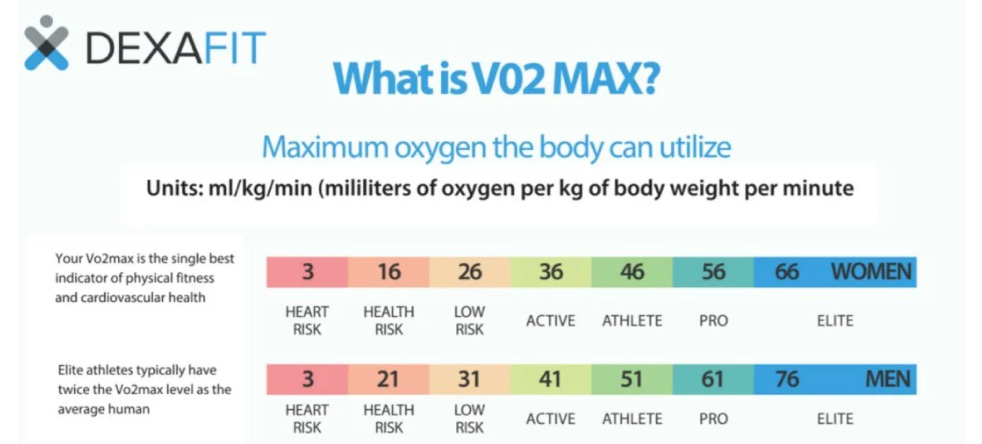
Zone 2 proponents will often mention how a high VO2 Max is a predictor of all cause mortality. For good reason too. Dr Peter Attia cites a 2018 study by the Cleveland clinic that showed a 5X lower risk of death for those in the top 2.5% of VO2 max by age and sex compared to the bottom quartile.
“[Vo2 Max] arguably the most important marker for longevity that we can objectively track and improve."
Dr Peter Attia
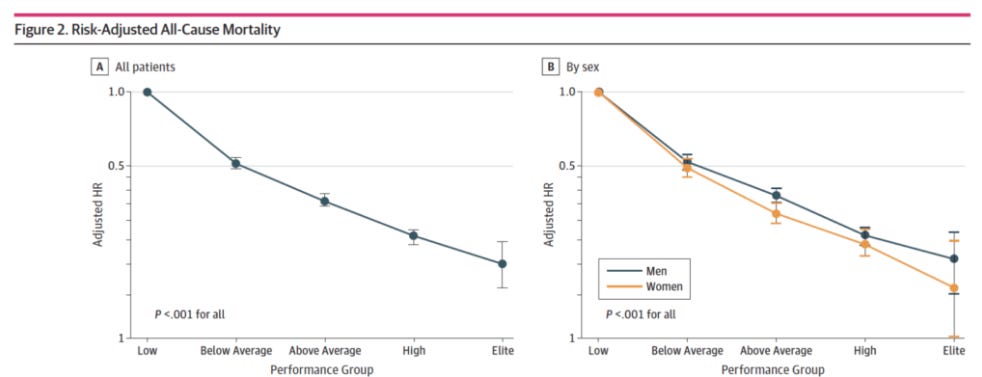
Again, Zone 2 is fine, but if you know anything about VO2 Max Training, it’s rarely just doing some light Zone 2 sessions a couple times per week.
Common VO2 Max Protocols
4 x 4 Intervals (Norwegian Method)
Done at 90%+ HRM
Tabata 20 sec on 10 sec off for 8 Rounds
Done usually at about 170% of VO2 max intensity on a bike. This is SUPER high intensity.
30/30 or 30/15 intervals
Work / Rest
The Norwegian 4 x 4 method has been shown to improve VO2 3X compared to Zone 2 training (Helgerud et al., 2007). So why recommend Zone 2 for VO2 max when there are more superior methods?
Zone 2 is easy and accessible. It’s fine to start off with but eventually moving to higher intensity intervals will be beneficial for most people. Here is a progression I recommend for most people starting off.
Cardio Progression
Phase 1
Zone 2 / Base Training
Begin by working up your time.
Try to just move consistently for 10 to 15 minutes. If you’re overweight and super out of shape i’d try something like a bike, rower, or elliptical so you don’t trash your joints. Something like jogging for instance is not a great idea at first if you’re overweight.
MAF Method
Take 180 - your age to get your heart rate. Subtract another 10 to get your range.
Example: a 30 year old.
180 - 30 = 150 BPM
150 - 10 = 140 BPM
Your target heart rate is 140 to 150 BPM for the entire duration of the session.
Move on from Phase 1 once you can do 30 minutes in zone 3 or your MAF zone comfortably.
Phase 2
Tempo Intervals
Shoot for intervals of 2 to 4 minutes in duration with an equal 1:1 work rest ratio and a total of 3 to 6 sets. During the tempo interval shoot for a heart rate that’s on the upper end of Zone 3 to mid range of Zone 4 (Roughly 78-85% HR Max).
At first I would start with 1 session a week of Zone 2 /MAF and 1 session of Tempo. You can eventually do 2-3 tempo sessions a week if you’d like.
Progress to phase 3 by adding in red zone intervals after about 6 to 8 weeks (at least). The exact time will depend on your progress. I would measure either distance, pace, wattage, or some kind of metric during your tempo intervals so you can assess progression.
If that metric keeps improving, keep going until it stops.
For instance, I track my mile pace. If i’m able to continually improve my mile pace in that 2 to 4 minute interval each week, i’ll stick with the progression until it stops for 2 continous weeks.
Phase 3
Red Zone
Red zone training is the most intense method. You could do these intervals earlier and still get some benefit but you’ll get the greatest benefit from red zone work if you build a foundation with Zone 2 and tempo work.
Red zone is where you build a powerful engine.
The intervals are really intense. I would start with shorter intervals between 30 to 60 seconds in duration before moving into 1-4 minute long intervals. Take longer rest at first, atleast 2 to 3 times longer than you work. Eventually work it down to a 1:1 or 1:2 work to rest ratio.
Eventually to build a really high capacity engine I would recommend using anaerobic conditioning (intervals under 10-15 seconds in duration) with full recovery for power or incomplete recovery for capacity. Intervals in the 15 to 45 seconds range are also super beneficial.
Bottom line, change up your intervals perdiodically and find ways to stress the system differently so you can build a robust and capable engine.

Not subscribed yet? Well, you could be. Sign up now for the only newsletter stronger than your coffee.
Stay Strong 💪
norweigen 4s?